

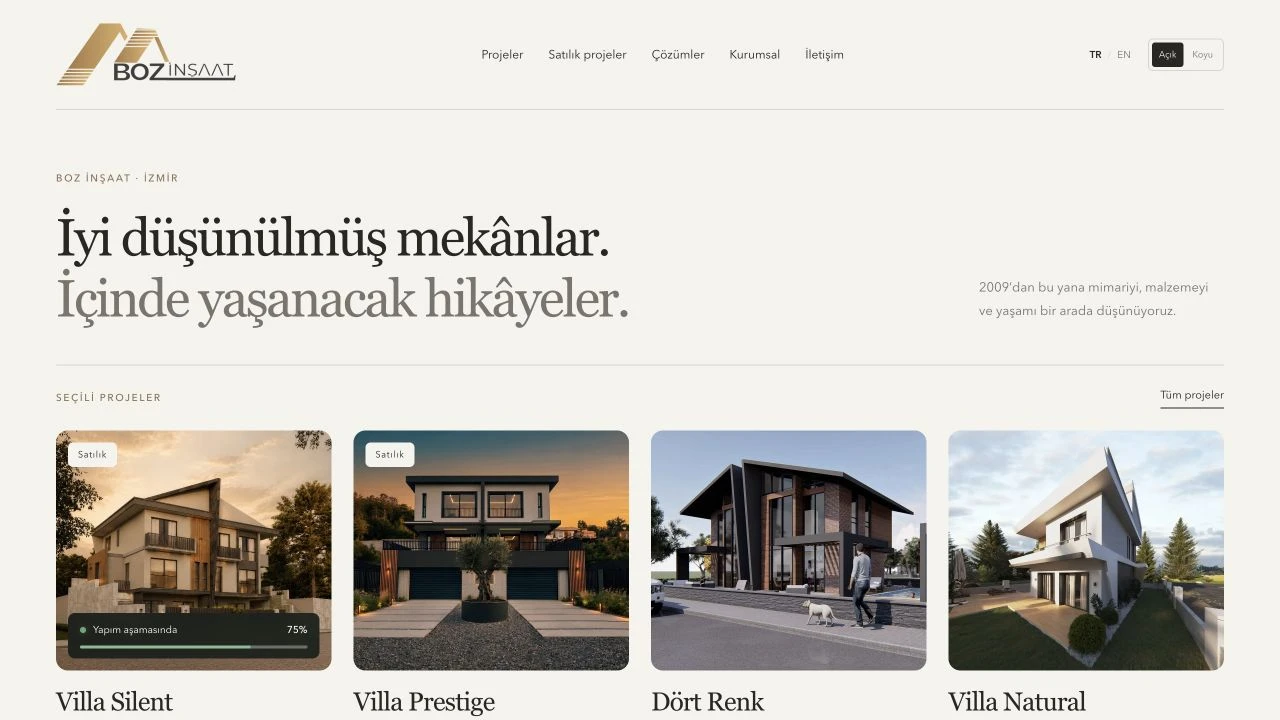
First, define the website’s job
What should visitors learn, trust and do when they arrive? Requesting a quote, exploring a project and booking an appointment require different journeys. Design around those journeys to remove unnecessary distractions.
Don’t leave content until the end
Service descriptions, project photographs and contact details are the real materials of a page. Flag missing content and prepare short project summaries that explain the client, the work and the outcome. A striking template cannot resolve an unclear message on its own.
Consider mobile visitors from the start
Shrinking a desktop layout does not automatically create a good mobile experience. Review heading lengths, image focus, navigation and touch targets separately. Check how far visitors must scroll to reach essential information.
Preserve existing addresses when redesigning
List existing page addresses, advertising destinations and contact journeys. If an address changes, plan a suitable redirect. A redesign should preserve the routes visitors already rely on.
Test real tasks before launch
Ask someone to find your service, compare two projects and contact you. Watch where they hesitate. This small exercise reveals issues that a purely visual review can miss.